Dairy Queen Allergen Menu
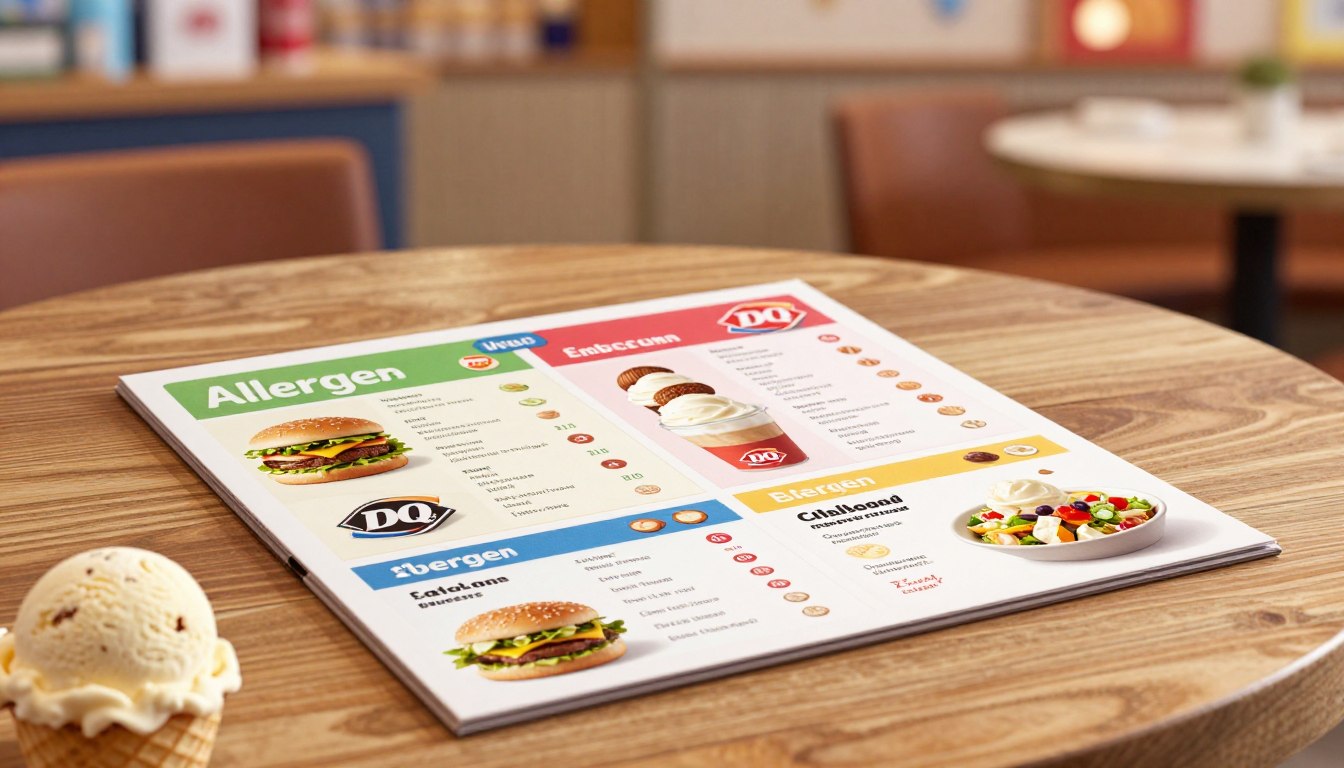
You want to order with confidence. This quick intro explains what the Dairy Queen Allergen Menu does and who it helps in the United States.
The guide shows standard ingredients and common allergens you’ll see on the chain’s menu. It highlights milk as a frequent trigger because frozen treats are central to the brand’s comforts.
Use the chart as a starting point. Recipes, suppliers, and kitchen routines can change by location or shift, and not all items are available at every spot. Some non-system food locations may lack data for Texas and other areas.
Before you go: check the website or app, plan a safe backup order, and be ready to ask staff for ingredient listings or packaging when you arrive.
This page is informational. It helps you talk to crew members and make clearer choices. It is not medical advice and should not replace your personal allergy plan.
How to Use the Dairy Queen Allergen Menu Before You Order
Before you step to the counter, learn where to find clear ingredient info. Start with the official website and the app. Both list standard recipes and filter tools. Use them to rule out items quickly.
When you arrive at a restaurant, ask to see packaging or printed ingredient lists. Some locations are non-system and may not match the national brochure. For Texas or non-system spots, call ahead or ask staff for specifics.
What “standard ingredients” means
Standard ingredients describe the baseline recipe used by the brand. They show common allergens and typical components. They do not guarantee every location follows the same suppliers or prep steps.
- Use the app to filter items by what you must avoid.
- Start with simple drinks and plain items before treats with mix-ins.
- Have a short script ready: “I have a milk allergy; can you check packaging and prep?”
| Source | What it shows | Best use | Note |
|---|---|---|---|
| Website | Full ingredient lists and icons | Pre-order research | Check before you visit |
| App | Filterable item list | Quick ordering | Good for on-the-go |
| In-store | Packaging and manager answers | Confirm changes or regional items | Ask about Texas/non-system notes |
| Staff/Manager | Prep steps and cross-contact checks | When strict controls are needed | Shared equipment raises most risk |
If your dietary needs demand strict control, remember: shared equipment and busy shifts create more risk than the printed list. Always ask and keep your questions short and calm.
Common Allergens at Dairy Queen and What to Watch For
Spotting common triggers fast helps you pick safer items when you order.
At most locations you’ll see the same six allergens again and again. These are milk, eggs, soy, wheat, peanuts, and tree nuts. Scan ingredient lists or ask staff to confirm any of these before you buy.
Top allergens to watch
- Milk — appears in soft serve, coatings, natural flavors, and some toppings.
- Eggs — often in breakfast items, sauces, and baked goods.
- Soy and wheat — common in sauces, buns, and seasoning blends.
- Peanut and tree nuts — found in candies, mix-ins, and some toppings.
How allergen legends work
Simple codes speed reading. Look for letters like M (Milk), E (Eggs), S (Soy), W (Wheat), and P (Peanuts).
When you see a code, pause and ask: “Does this include cross-contact or just the ingredient?” It helps you know if shared scoops or fryers raise risk.
High-risk categories and hidden ingredients
Treat mix-ins — cookies, brownie bits, and candies — are frequent surprise sources. Shared scoops and bowls raise cross-contact risk.
Sauces, dressings, bun formulas, and seasoning blends can hide soy or wheat. Some dipping sauce defaults add milk or butter without asking.
| Allergen | Legend Code | Common Places on Menu | What to Ask Staff |
|---|---|---|---|
| Milk | M | Soft serve, coatings, chocolate topping | Is this recipe dairy-free or shared equipment used? |
| Eggs | E | Breakfast sandwiches, some sauces, baked items | Does the sauce or bun contain eggs? |
| Soy / Wheat | S / W | Buns, dressings, seasoning blends | Are soy-based emulsifiers or wheat flour in this item? |
| Peanut / Tree Nuts | P / N | Candy mix-ins, peanut butter cups, nut toppings | Are mix-ins handled separately from other items? |
Cross-Contamination Risk at DQ: Fryers, Grills, and Shared Prep
Shared equipment moves tiny bits of food from one order to the next, creating real risk. Even when ingredients themselves are safe, tools and surfaces can transfer allergens.
Shared fryer realities
Many fryers cook fries, chicken, and other items in the same oil. During busy shifts a single basket may hold different foods in rapid turns.
That means fries and chicken strips can pick up traces from a previous fry. If milk or nut-containing batter was in the same fryer, the risk rises fast.
Buttery oil, buns, and toast
Some locations use a buttery oil on toast that contains milk in natural flavors. Buns are often not buttered, but practices vary by location.
You can ask for “no buttery oil” or request your bun not be toasted. Keep the request simple so staff can follow it during rushes.
Treat stations and mix-ins
Topping bins, blenders, and scoop stations are hotspots. Blizzard-style mix-ins like oreo cookie pieces or peanut butter toppings can contaminate machines and counters.
Even a dilly bar handled nearby raises milk and nut cross-contact chances for other treats.
- Can fryers be separated during prep?
- Will staff change gloves and tools between orders?
- Is a clean blender or unused scoop available for my order?
- Can you check package ingredient labels for specific items?
| Check | What to ask | Why it matters |
|---|---|---|
| Fryer use | Are separate fryers used for different foods? | Prevents oil-borne cross-contact |
| Toasting surface | Are buns toasted with buttered bread? | Avoids transfer of butter traces |
| Treat equipment | Is the blender cleaned before my order? | Reduces milk and nut contact |
Combine the provided allergen information with these in-person checks at your specific location. That gives you the clearest picture of real-world risk in each restaurant.
Dairy Queen Allergen Menu: Milk-Free and Dairy-Free Choices
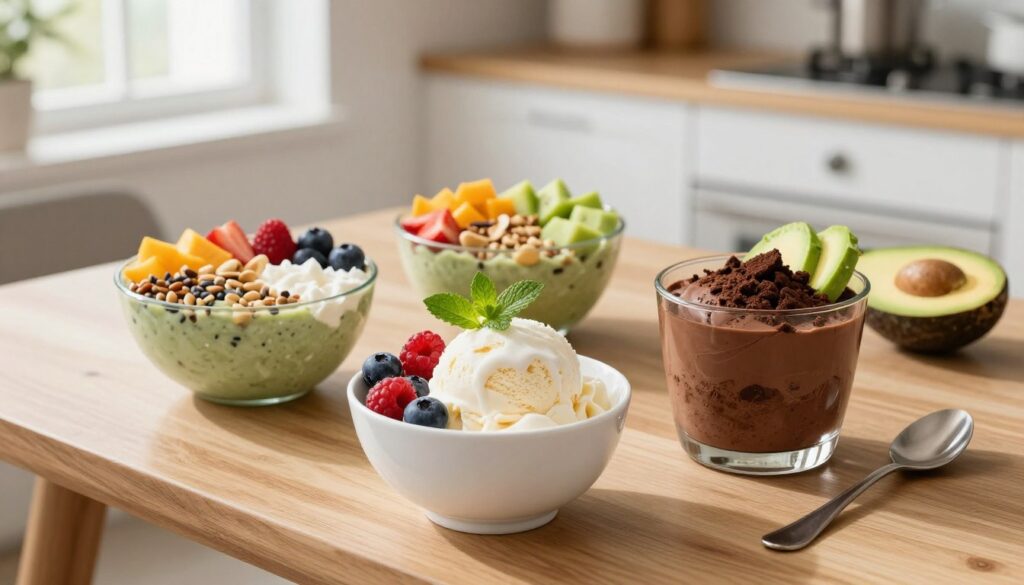
Start with beverages and single-ingredient treats when you need a milk-free choice on the go. Simple items reduce cross-contact and make ordering easier for families with dietary needs.
Non-dairy Dilly Bar details
The non-dairy dilly bar is a coconut-based frozen dessert. The frozen mix lists coconut oil and coconut cream. The vegan chocolate coating contains soy lecithin.
It fits many dairy free diets, but avoid it if you have a coconut allergy.
Drinks and surprises
Misty Slushes are generally dairy free and a safe drink choice. Misty Freezes, Coolers, and Orange Julius smoothies contain milk and should be avoided if you need milk-free items.
Toppings and mix-ins
Dairy-free toppings include banana, cherry, pineapple, strawberry, marshmallow topping, chocolate topping (not fudge), and OREO cookie pieces. Brownie pieces contain egg.
Peanut butter topping can be dairy free by ingredients but may raise cross-contact issues at busy stations.
| Item | Dairy-Free Status | Ordering Tip |
|---|---|---|
| Non-dairy Dilly Bar | Yes — coconut-based | Ask: “Is this made with coconut cream and vegan coating?” |
| Misty Slush | Yes — milk-free | Order plain or with fruit toppings |
| Orange Julius / Smoothies | No — contains milk | Avoid if you need milk-free |
| OREO cookie pieces / chocolate topping | Yes — generally dairy free (check packaging) | Request separate scoop to reduce cross-contact |
Final note: a dairy allergy and a coconut allergy are not the same. If you avoid milk, the non-dairy dilly bar can work. If you avoid coconut, pick Misty Slushes or fruit toppings instead.
Allergen Notes by Food Category: Meals, Sides, Sauces, and Breakfast
Scan each food category to spot hidden ingredients that can change a simple order into a risky one.
Chicken baskets and dipping sauces
Chicken strips often come with a default dipping sauce. Ranch is a common default and contains milk.
Safe dairy-free options usually include BBQ and Buffalo. Honey Mustard contains eggs. Ask for the sauce on the side.
Burgers and grill contact
You can order burgers, including the signature stackburger, without cheese. Still check for butter on toast or grill contact.
Request “no buttery oil” or no toasting when locations use Texas toast style butter.
Hot dogs, salads, and sides
Cheese on chili dogs is the main milk risk. Confirm chili toppings before you order.
Salads look safe but dressings may contain eggs or milk. Ask about mayo-style dressings.
Fries may share fryers; onion rings contain milk. Pretzel rods can be served without queso or buttery oil at some locations.
| Category | Common Risk | Quick Ask |
|---|---|---|
| Chicken strips / basket | Ranch (milk), shared trays | Can you use a clean scoop and sauce on side? |
| Burger / Signature Stackburger | Cheese, buttery toast | No cheese, no toast or “no buttery oil” |
| Sides / Pretzel / Onion rings | Shared fryer; onion rings contain milk | Pretzel without queso; fries may share oil |
Blizzards, Soft Serve, and Treat Menu Items: Allergen Hotspots and Safer Ordering
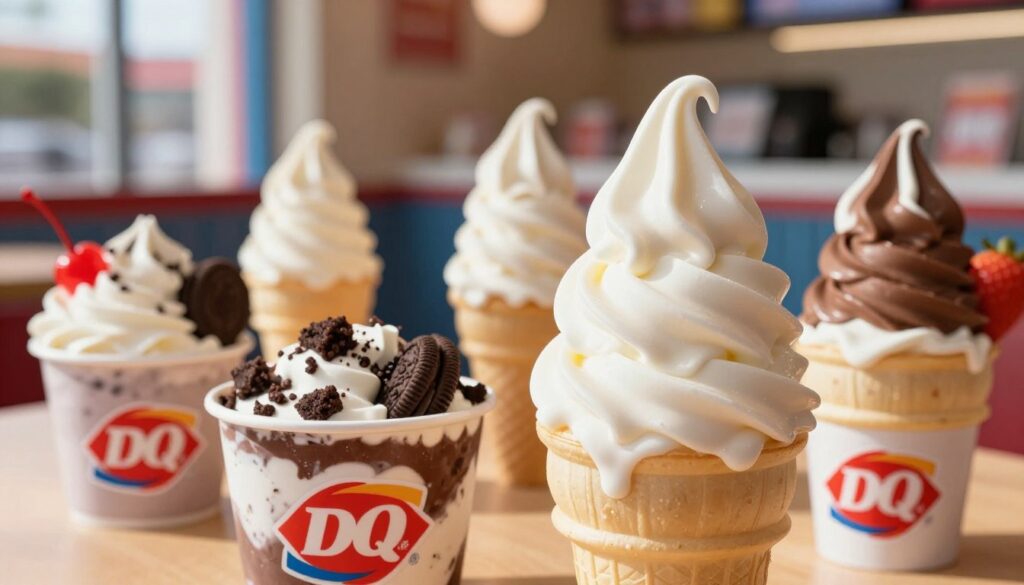
When a cup gets layered with cookies, brownie bits, and nutty candies, allergen exposure grows fast. Blended treats combine a milk-based soft serve with several mix-ins and shared tools. That makes them a top risk for cross-contact.
Why blended treats are high-risk
Blizzard-style items use the same scoops, bins, and blenders for many toppings. OREO cookie pieces bring wheat and soy. Brownie pieces may add egg. Peanut butter cups introduce peanut risk.
Soft serve, dipped cones, and waffle treats
Soft serve is usually a milk-based cream. Cones and waffle shells add wheat exposure. Dipped coatings and waffle boats often touch other toppings during service.
Simple ways to reduce risk
- Order in a cup to avoid cone or waffle contact.
- Skip mix-ins; choose single fruit or plain chocolate topping.
- Ask for a clean blender, fresh utensil, or unused scoop.
- Decline default sauces when you’re unsure of ingredients.
| Item | Main Risk | Quick Ask |
|---|---|---|
| Blended treats | Multiple mix-ins (wheat, egg, peanut) | “Can you use a clean blender or fresh scoop?” |
| Soft serve cup | Milk in base | “Is this made with milk-based soft serve?” |
| Waffle/dipped | Wheat in shell; shared dip pans | “Can I have a plain cup instead of a waffle?” |
Simpler orders lower food allergies risk, especially during busy shifts. Ask one clear question at the counter and choose fewer mix-ins to make treats safer.
Wrapping Up Your Order Confidently: Allergy Communication and Location Checks
Make each order safer by asking three clear questions every time. Start by checking the official website or app, then pick one or two fallback items you can accept if the preferred choice isn’t safe.
At the counter, use this short script: “I have a food allergy to [ingredient]. Can you check packaging and tell me if shared fryers or tools are used?” Name the ingredient and ask about fryers, buttery oil, and treat-station handling.
Make sure you confirm the dipping sauce, make sure the bun isn’t toasted in buttery oil, and make sure a manager reviews procedures for severe dietary needs or when ordering for a child.
Practices vary by location and operator, so your comfort level should guide choices. For more on improving food allergy safety standards, see this note on food allergy safety standards from a specialist agency: food allergy safety standards.
Keep orders simple, ask the right questions, and you’ll reduce risk while enjoying familiar treats from the dairy queen menu with more confidence.