Are Dairy Queen Fries Gluten Free
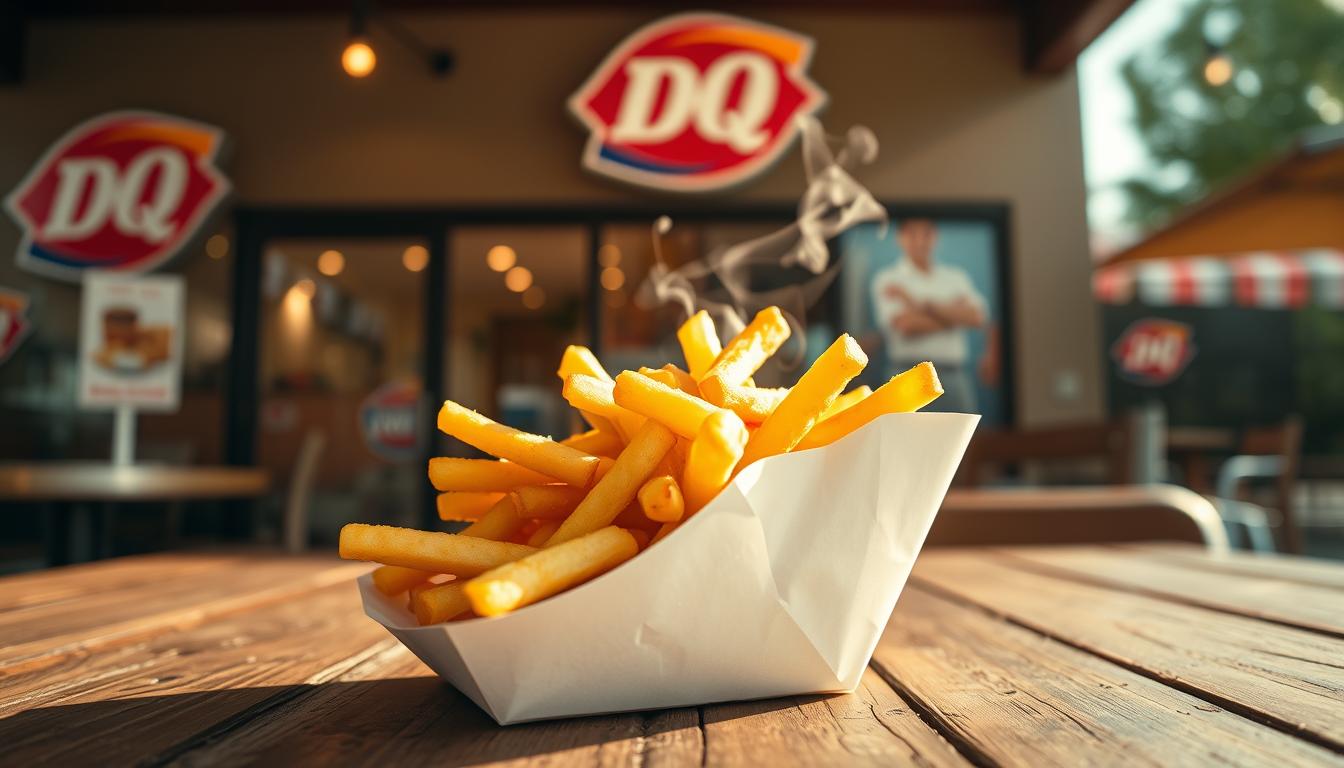
The simple search question is: Are Dairy Queen fries gluten free in the United States? The answer has two parts: ingredient list and kitchen safety.
By ingredients, many locations list the potatoes and oil as not containing gluten. That means the item can be naturally free of gluten components when tested on paper.
However, dairyqueen restaurants often use shared fryers. If french fries cook alongside breaded items, cross-contamination becomes a real risk. Wheat is the main concern in fast-food kitchens because it carries gluten and is in many coatings.
The core takeaway is clear: many fries do not include gluten ingredients, but cross-contact at the fryer can change that. Policies, equipment, and staff practices vary by store, so one outlet’s fries may differ from another’s.
I will show where to check Dairy Queen allergen info, what to ask at the counter or drive-thru, and safer choices if you have celiac disease or high sensitivity. For people exploring a gluten-free menu, these steps help reduce risk.
Are Dairy Queen Fries Gluten Free
Ingredient lists and kitchen practice tell two different stories. On paper, many menu entries look safe, but cooking methods can change the outcome.
The short ingredient answer for US locations
By ingredients, most U.S. locations list the potatoes and oil with no wheat-based additions. That means the item often does not contain gluten components when you read the allergen or nutrition tool.
Always verify the current online ingredient list before ordering, since recipes and suppliers can change.
The practical safety answer for gluten avoidance
Shared fryers are common at many chain restaurants. When breaded or battered items cook in the same oil, cross-contact can occur and create a real risk.
“W” flags on allergen charts highlight wheat presence in items, but they do not confirm separate fryer use or handling practices. No wheat listed does not equal celiac-safe handling.
| Factor | Ingredient-only view | Practical fryer risk |
|---|---|---|
| Typical listing | Potato + oil, no wheat | Often fried with breaded items |
| Who may eat it | People with mild intolerance may choose it | Those with celiac or a wheat allergy should avoid |
| Store variation | Some stores may use separate equipment | Many report no dedicated fryer, so risk varies |
Decide based on your sensitivity: mild intolerance, celiac disease, and wheat allergy require different caution levels. Next, we’ll explain what “naturally gluten-free” means versus certified standards and why that matters for safety.
What’s in Dairy Queen french fries and what “gluten-free” really means
Ingredients on paper may read safe, yet the kitchen workflow often determines real-world risk.
“Naturally gluten-free” means a recipe has no gluten ingredients. That can include plain potatoes and oil. By contrast, “certified gluten-free” requires testing, controls, and documentation that keep levels under testing thresholds.
- Naturally gluten-free: no gluten ingredient listed in the ingredient panel.
- Certified standard: testing and processes to meet strict limits (often
- Practical note: many chains avoid certified claims because shared equipment can raise trace levels.
A potato fry can still be risky if it cooks near breaded items. Shared baskets, oil, or seasoning stations allow wheat particles to move. Saying “no wheat ingredients” does not guarantee celiac-safe handling.
| Concept | What it means | Practical effect |
|---|---|---|
| Ingredient list | No wheat listed | Looks safe on paper |
| Kitchen controls | Dedicated testing or fryer | Lower cross-contact risk |
| Label claim | Certified vs. friendly | Certainty varies by store |
This short guide aims to help you pick safer options today, not to provide medical advice. Next, we focus on fryer cross-contact—the main risk for fries.
Cross-contamination risk at Dairy Queen fryers
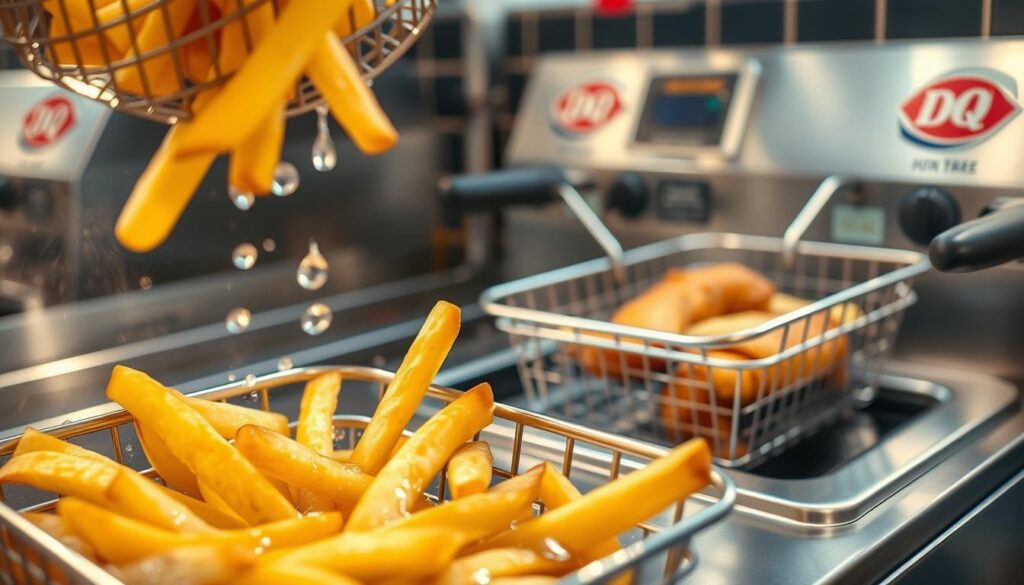
Shared cooking gear at fast-food counters can move tiny wheat particles from one item to another.
Shared fryer reality and why it matters
If breaded chicken or other battered menu items cook in the same oil as potato sticks, gluten-containing crumbs transfer easily.
Fryer baskets, skimmers, and the “drop zone” where staff release items all spread particles during busy service. Quick handling increases the risk of cross-contamination.
When a dedicated fryer changes the risk
A true dedicated fryer uses separate oil, baskets, and handling routines. That separation is the single biggest factor that reduces cross-contact for fries.
Some local reports show a few stores maintain a dedicated fryer. Ask staff directly about separate equipment before ordering.
Other kitchen hot spots that can affect fries
Beyond the fryer, shared prep counters, seasoning shakers, and gloves touching a bun then fries can contaminate items. Scoops and tongs used across products add more risk.
- Common fryer neighbors: breaded chicken, onion rings, mozzarella sticks.
- Staff handling and speed: high-volume periods raise transfer chances.
- Best practice: ask specific questions about fryer separation and handling rather than assuming a menu label ensures safety.
| Area | How cross-contact happens | Mitigation |
|---|---|---|
| Fryer oil | Shared baskets move crumbs | Dedicated fryer and baskets |
| Prep counters | Shared surfaces and utensils | Separate stations and clean between orders |
| Staff handling | Gloves/tongs touching multiple items | Change gloves and use single-use tools |
For a deeper look at ingredient lists and community reports, see this detailed guide: Dairy Queen fryer risk and ingredients.
Are Dairy Queen fries celiac-safe in the United States right now?
Operational differences — like fryer setup and staff training — determine whether a batch is safe for strict diets.
What community safety reports suggest at different stores
Community platforms commonly warn of high cross-contamination risk at many chain locations. Reports show most sites lack a dedicated fryer, while a smaller number note separate fryers or stricter allergy procedures.
Customer reviews list mixed experiences: some stores change gloves and clean baskets for orders, and others report contamination incidents and uneven staff knowledge. That inconsistency creates ongoing risk.
Who should avoid fries even if ingredients look safe
Fries are not reliably celiac-safe chain-wide in the U.S. People with celiac disease, severe wheat allergy, or anyone who reacts to trace gluten should skip these items unless a dedicated fryer is confirmed.
- Proceed with caution: those with mild sensitivity or preference-based avoidance may accept the risk if staff confirm fryer separation and careful handling.
- Safer choice: pick sealed or packaged items when fryer status is unknown.
| Group | Typical advice | Reason |
|---|---|---|
| Celiac disease | Avoid | High cross-contact risk from shared oil and staff handling |
| Mild sensitivity | Proceed with caution | May accept occasional risk if fryer is separate |
| Preference-based | Decide locally | One good visit doesn’t guarantee future safety |
For local reports and store-specific notes, check community listings like this guide before ordering.
How to check Dairy Queen’s allergen and ingredient information online</h2>
Online tools let you confirm listed allergens quickly. Use the site’s Nutrition and Allergens area to see letters that indicate common allergens, including the mark for wheat.
Using the Nutrition and Allergens page to spot “W” for wheat
Go to DairyQueen.com → Nutrition/Allergens. Choose a category: food or treats, then find the item. The chart uses single-letter codes; “W” means wheat is present.
- On desktop, press CTRL+F and search for “Fries”, “French Fries”, or “W” to jump straight to the line you need.
- On mobile, use the browser find tool or the page’s search to speed things up.
Reading the ingredients list for hidden wheat and flavorings
Open the ingredient panel for the item. Look for breadings, flour, cookie pieces, malted or wheat-based flavorings. Potato items usually have simpler ingredient lines than desserts, but check anyway.
What the online tools can’t confirm about cross-contact
Allergen pages show listed allergens, not kitchen practices. They cannot tell you if fryers, baskets, or gloves are separate. Suppliers and recipes can change, so check the site just before ordering.
- Tip: take a screenshot of the allergen or ingredient line and show it to staff if you need confirmation at the counter.
- Use this info to pick from the menu or a gluten-free menu item or to prepare your question for staff.
How to order fries with a gluten concern at the counter or drive-thru</h2>
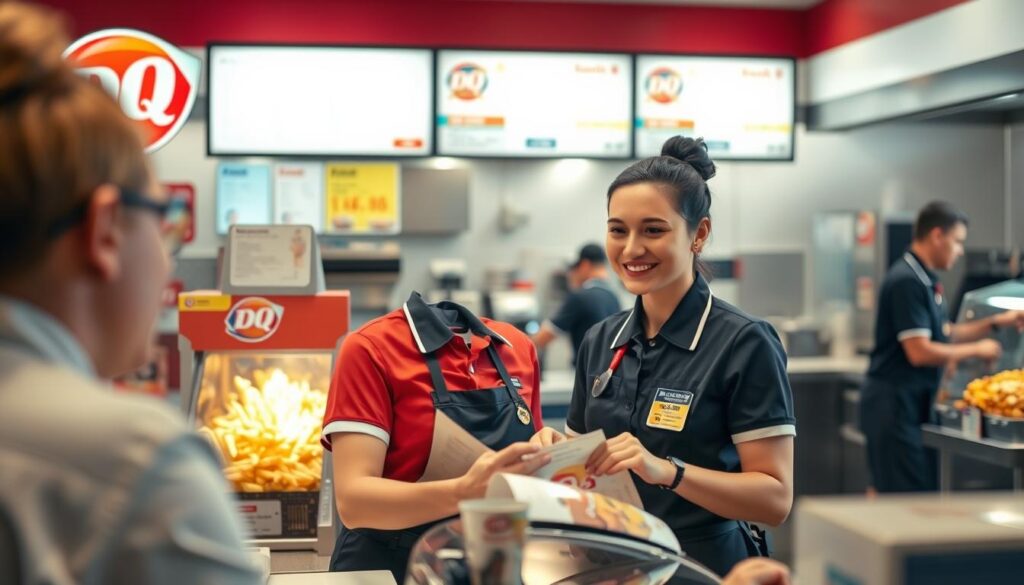
Ordering at the counter or drive-thru calls for clear, short questions to lower cross-contact chances. Keep exchanges polite and precise so crew can act quickly.
What to say to staff to reduce cross-contamination
Use a short script that states your need and a single question. For example: “I have a wheat allergy—can you tell me if the fries are cooked in a dedicated fryer and handled with clean gloves?”
Questions to ask about fryer separation and handling
- Are the fries cooked in separate oil from breaded items?
- Do you use different baskets for potato and breaded menu items?
- Are tongs, scoops, and utensils dedicated or cleaned between orders?
Packaging and serving details that can make a difference
Request the order in its own container or bag. Ask staff not to top or mix the food near buns or breaded products.
For sauces, ask for sealed cups when available and confirm whether any sauce has wheat or shared ladles.
Red flags that mean you should skip the fries
Decline the item if staff seem unsure about fryer setup, refuse to change gloves, or if you see breaded items frying in the same oil. In a rush period, handling is less reliable—choose a sealed snack or a cup dessert instead.
| Check | Ask | Good outcome |
|---|---|---|
| Fryer | Separate oil? | Lower cross-contamination |
| Handling | Change gloves/use clean scoop? | Cleaner prep |
| Sauces | Sealed cup or dedicated ladle? | Reduced transfer risk |
Gluten-free Dairy Queen menu options that pair well with fries</h2>
Choose plain patties and sealed sauces to assemble a safer meal when dining out. Picking bunless proteins makes a plate more filling without relying on breaded items.
Common bunless proteins listed by ingredients include a grilled burger patty or a grilled chicken patty. Order these without a bun and ask staff to use clean tongs and a separate prep area when possible.
- Bunless burger or hamburger patty — higher protein and simple ingredients.
- Grilled chicken patty — lean option often listed as okay by ingredients.
- Cheese and plain toppings — usually fine by ingredients but may be handled near buns.
Breaded chicken, sandwich buns, and most sandwiches contain wheat in coatings or bread. That makes them unsuitable for strict avoidance because the ingredient itself contains gluten.
For sauces and dips, choose items commonly listed as safe by ingredients and request sealed cups. Sealed containers and single-use cups cut handling risk.
| Component | Typical status by ingredients | Practical note |
|---|---|---|
| Patty (beef) | Often no wheat | Ask about prep surface |
| Grilled chicken patty | Often no wheat | Confirm handling |
| Breaded chicken | Contains wheat | Avoid for strict diets |
Best-case order: a bunless hamburger or grilled chicken patty, fries only if a dedicated fryer is confirmed, and a small sealed sauce cup. If fries are not safe at that store, swap the side for a packaged snack or a cup dessert to keep the same meal balance.
Gluten-free treats at Dairy Queen that are often safer than fries</h2>
Sealed novelty bars and a simple cup of soft serve usually reduce handling risks compared with hot kitchen items. Packaged bars come in clear wrappers and often list no wheat, rye, oats, or barley on the label.
Soft serve cups and sundae-style choices
The simplest low-risk order is vanilla or chocolate soft serve in a cup, not a cone. Cones are a common source of wheat, while cups avoid that contact.
Common sundae options like hot fudge or caramel served over plain soft serve are listed as ingredient-safe in many guides. Still, shared pumps and spoons can add cross-contamination risk.
Packaged novelties and why they help
Manufactured treats such as Dilly Bars, Buster Bar treats, Fudge Bars, Vanilla Orange Bars, and Starkiss Bars are sold in sealed wrappers. When handed over sealed, they offer the lowest handling risk on the menu.
- Blizzards: base soft serve may be fine, but cookies, cake, or brownie mix-ins add direct gluten and mixing machines spread crumbs.
- Shakes and blended desserts: check ingredients, but shared blenders and add-ins raise cross-contact chances.
- Ice cream cakes: usually not suitable as standard menu items; call ahead if you need a special order.
| Option | Ingredient status | Cross-contact note |
|---|---|---|
| Sealed novelty bars | Often no wheat listed | Low risk when sealed |
| Soft serve cup | Simple ingredients | Avoid cones and shared scoops |
| Blizzard with mix-ins | Base OK, mix-ins vary | High risk if cookies/cake used |
When fryer separation is unclear, pick a sealed novelty or a plain cup of soft serve as the default safe choice for dessert or a quick treat.
Making the best call for your meal today</h2>
Run a quick three-step check before you order. First, confirm the item’s “W” status online to spot wheat on ingredient lists.
Second, ask staff if a dedicated fryer and clean utensils are used. Third, decide based on your sensitivity: if they confirm separation, fries may be an option; if not, pivot.
Two safe paths work well. Path one: bunless protein plus fries only when a dedicated fryer is confirmed. Path two: choose a sealed novelty or a cup of soft serve when fryer status is unclear.
Keep a note of stores that handle concerns well, ask for fresh gloves, and prioritize safety over convenience. In short, the safest answer depends on fryer setup, staff handling, and your personal tolerance today.