Does Dairy Queen Have Sugar Free Ice Cream
dairy queen typically does not list a true sugar-free soft-serve or Blizzard base on the standard U.S. menu. You can, however, find lower-sugar products and a No Sugar-Added Dilly Bar at select locations.
This short guide answers what the restaurant actually sells, explains the difference between sugar-free and no sugar-added, and shows what you can realistically order today. It focuses on practical choices for people seeking lower-sugar treats.
Menus vary by franchise and store, so check the website or app for the most current list at your local location. Availability across thousands of U.S. restaurants can differ.
Read on to see: what DQ offers now, side-by-side item notes, common “sugar-free” misconceptions about drinks and treats, and quick ordering tips so you leave with a suitable food option that meets your needs without overpromising.
Does Dairy Queen Have Sugar Free Ice Cream
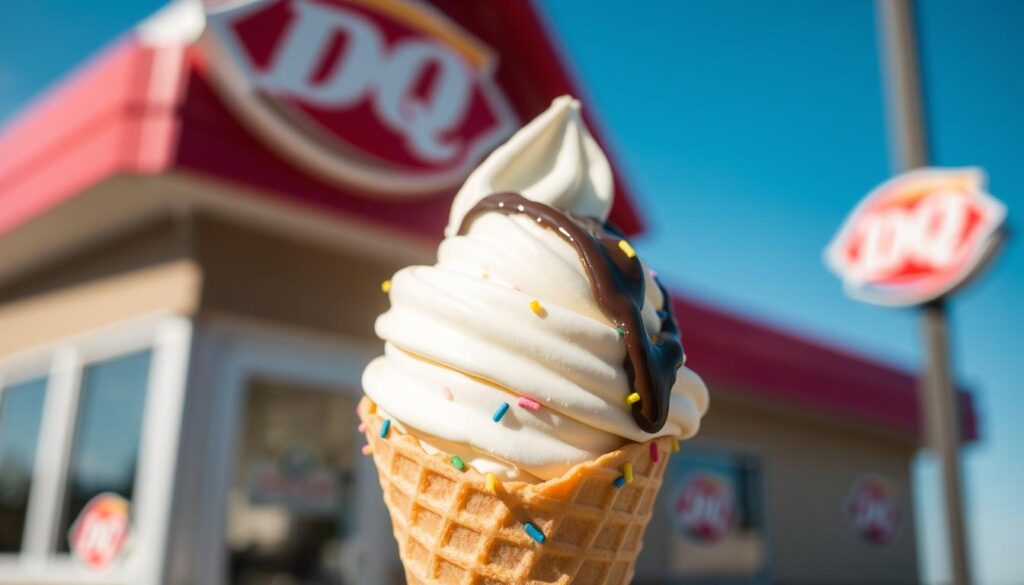
A true zero-sugar option for cones or Blizzards is not listed on most U.S. menus. That leaves shoppers looking for lower-sugar alternatives rather than a fully sugar-free soft-serve base.
What the chain offers instead
In the United States, the brand sells a few specific lower-sugar or non-dairy items. Examples include Non-Dairy Dilly Bars (coconut-based) and Misty Slushes. The chain does not currently offer a dairy-free soft-serve for cones or Blizzards.
Why “sugar-free” can mean different things
- “No added sugar” can still include natural sugars from milk or fruit.
- “Reduced sugar” means less than the regular item but not zero.
- Some items use alternative sweeteners or sugar alcohols; read ingredient notes.
| Item type | Typical label | What to check |
|---|---|---|
| Packaged no-sugar-added bars | No added sugar | Nutrition facts and sweetener list |
| Non-dairy options | Coconut-based Dilly | Allergen and carb info |
| Slush beverages | Reduced or flavored | Ask about syrup and milk addition |
If you need strict medical guidance, confirm ingredient statements at the restaurant and check the website or app before you go. Franchise locations vary, so call your local store if a specific product matters to you.
Sugar-free vs no sugar-added at Dairy Queen: what to look for on the menu
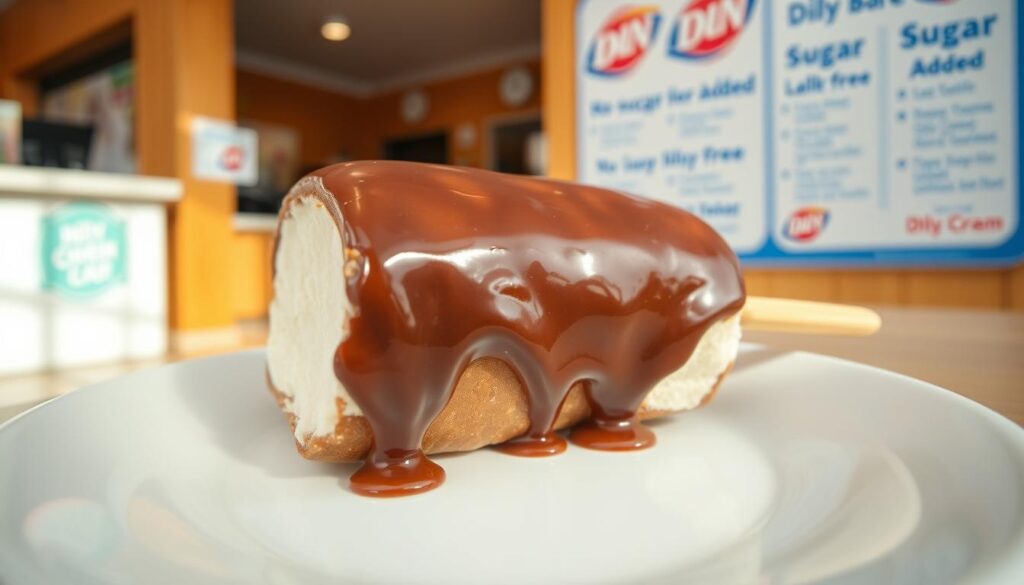
Menu labels matter when you’re comparing “no added sugar” treats and fully sugar-free options at the chain. Read exact wording on the menu to know which items are only reduced and which are no-added-sugar.
No Sugar-Added Dilly Bars: what they are
No Sugar-Added Dilly Bars are simple dipped bar-style treats. They are typically chocolate-dipped with vanilla ice cream as the standard format.
Regular bars vs no sugar-added: how they compare
Regular dilly bars come in cherry, chocolate, or butterscotch varieties and often include more sugar from syrups or coatings.
The no-added-sugar version is more limited in flavor but can help lower overall carbs compared with standard bars.
Soft serve, Blizzards, and realistic alternatives
Soft serve and Blizzards are made from base mixes that add carbs and sugar. A true sugar-free soft serve is not commonly offered, so expect the base to contribute carbs.
To lower impact, skip candy mix-ins, choose smaller sizes, and favor plain or fruit-based toppings when possible.
Nutrition snapshot: typical serving (0.5 cup / 94g)
| Serving | Calories | Total carbs | Sugars |
|---|---|---|---|
| Soft serve (0.5 cup) | 140 | 21g | 18g |
| No Added-Sugar Dilly Bar (typical) | Varies by location | Lower than standard bar | Lower than standard bar |
| Regular Dilly Bar (chocolate/cherry) | Higher | Higher carbs | Higher sugars |
Who this helps: people watching sugars or carbs may find no-added-sugar products useful, but those needing strict zero-sugar should verify ingredient details at the restaurant or check no added sugar options before ordering.
Frozen treats and drinks that can be mistaken for “sugar-free” at DQ
Some frozen products are mistaken for lighter options because of their names or presentation. Read labels: “non-dairy” mainly means no milk ingredients, not low-carb or no-sweetener.
Non-Dairy Dilly Bars: what non-dairy means (and doesn’t)
The coconut-based bar uses water, sugar, corn syrup, maltodextrin, coconut oil, and coconut cream. The coating adds sugar and cocoa.
That makes the product non-dairy but not sugarless. It also may not be safe for people with coconut allergies.
Misty Slushes vs Misty Freezes and Coolers
| Item | Contains milk? | Notes |
|---|---|---|
| Misty Slush | No | Syrup-based, lighter on dairy |
| Misty Freeze / Cooler | Yes | Has milk or milk-derived mix |
| Orange Julius smoothies | Yes | Include milk; not a lower-sugar swap |
Toppings and add-ins to know
Fruit toppings like banana and pineapple may use syrup. Popular add-ins such as OREO pieces, chocolate topping, and peanut butter topping raise carbs quickly.
- Checklist: “non-dairy” ≠ “no sweeteners”
- Ask about specific ingredients before ordering
- Watch for nuts and cross-contact if you have allergies
Ingredients, allergens, and ordering notes for sugar-conscious customers
Ingredient lists and prep methods vary by location, so asking a few quick questions can prevent surprises.
Shared fryers often use vegetable oil blends that may contain canola, sunflower, cottonseed, palm, corn, or soybean. Fried food can be cooked alongside milk-containing items in the same fryer. This creates a cross-contact risk for people with strict dietary needs.
Shared fryers and buttery oil: what can differ by store
Some stores brush buns or toast with a buttery oil that lists natural flavors. Those flavors can include milk proteins. Bun buttering is not standard and may differ by restaurant or franchise location.
How to ask about ingredients and special requests
Use the website or app to view basic nutrition info, but verify prep at the store when it matters. Ask staff or a manager for ingredient lists and how items are cooked.
- Ask what “no added” means for a specific menu item and whether sugar alcohols are used.
- Confirm whether fryers are shared with milk-containing food.
- Request “no topping” or a simplified build to keep sugars predictable.
- For medical needs, speak with a manager and note what you are told for future visits.
| Concern | What to ask | Typical answer |
|---|---|---|
| Fryer cross-contact | Are fried items cooked in shared oil? | Often yes; varies by location |
| Buttery oil on bread | Does the buttery spray contain milk? | May contain milk in natural flavors; check at store |
| Ingredient lists | Can you provide an ingredient list for menu items? | Website has basics; ask store for preparation details |
Checking availability at your local Dairy Queen location before you go
Call ahead or use the official website or app to confirm which products and flavors your nearby location currently carries.
Quick checklist: look up your location online, view the menu, and note whether specialty bars — including no-added-sugar dilly bars — are listed. Then call to verify the chocolate-dipped option and whether single or boxed bars are in stock.
If the bar you want is unavailable, plan B options include sharing a smaller treat, skipping toppings, or choosing a plain soft serve to limit extras. Keep a short list of safe favorites by location so future visits are faster.
Final reminder: “no added” and true sugarless items differ. Confirm labels and ingredient details for confident ordering at any of the chain’s locations.